
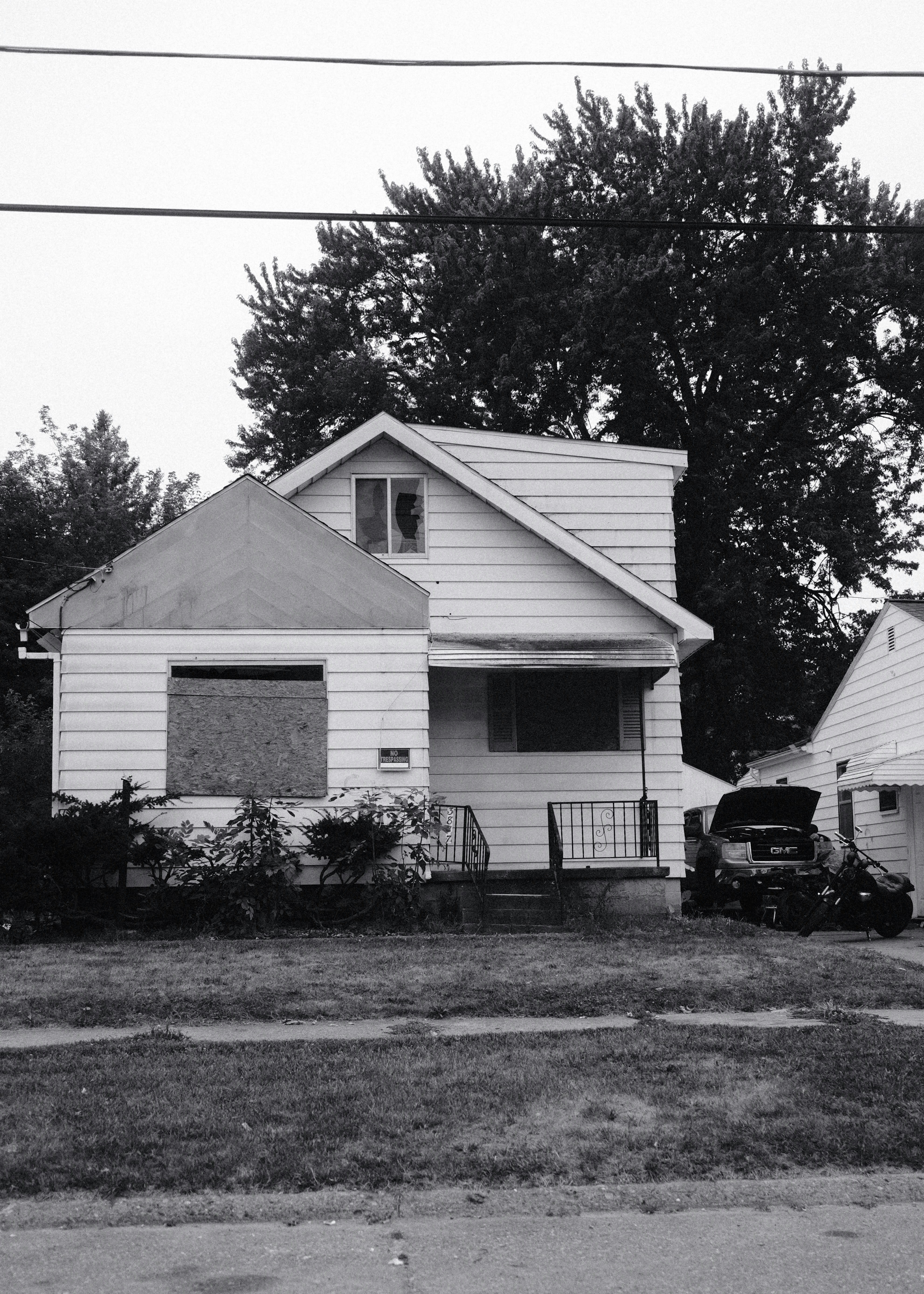

Short answer: there are three completely different ways to buy a distressed property in San Antonio, and people lose money by confusing them. Pre-foreclosure is a normal sale from an owner who is behind. The auction is cash-only, sight-unseen, on the courthouse steps. REO is a bank-owned home listed on the MLS like any other, financeable and inspectable.
Most people who say "I want to buy a foreclosure" actually want an REO. The auction is a different business with different rules and much less margin for error.
The Bexar County foreclosure auction
When: the first Tuesday of every month, between 10:00 AM and 4:00 PM. If the first Tuesday falls on January 1 or July 4, the sale moves to the first Wednesday.
Where: the west side of the Bexar County Courthouse, 100 Dolorosa, San Antonio, or another location designated by Commissioners Court.
Where to find what is selling: Bexar County publishes a foreclosure map, and notices of substitute trustee sale are filed with the County Clerk in advance, generally at least 21 days before the sale date. The list firms up in the weeks beforehand.
Who can bid: anyone. There is no license or qualification requirement. Show up with funds.
Source: Bexar County Clerk, foreclosure sale FAQ.
The financing question, answered plainly
You cannot finance a purchase at the courthouse auction. Not with conventional, not FHA, not VA, not a normal investor loan. Sales are for cash or certified funds, generally due the same day.
That single fact eliminates the auction for most buyers, and it is the most common misunderstanding about foreclosures.
Courthouse auction: not financeable. Cash or certified funds.
REO, bank-owned and on the MLS: financeable. Conventional, FHA, and VA are all possible.
Pre-foreclosure or short sale: financeable. It is a normal purchase from the owner.
FHA and VA on an REO: possible, but both have minimum property condition standards. A distressed house with missing HVAC, no working plumbing, or major structural issues will not pass. FHA 203(k) renovation loans exist for exactly this situation and are worth asking a lender about early.
Hard money and private lenders are how most auction buyers actually fund purchases. That is a real financing market, just not a mortgage.
The four things being sold, and how they differ
Pre-foreclosure. The owner is behind but still owns it. You are buying from a person, normally, with inspections, title insurance, and financing. Least risk, least discount, and it requires finding an owner who wants to sell.
Short sale. The owner owes more than the house is worth and the lender must approve a sale for less than the balance. Normal purchase mechanically, but lender approval can take months and can fall apart late.
Foreclosure auction. The trustee sells on the courthouse steps. Cash, as-is, no inspection, usually no title policy, possibly still occupied. Biggest discount, biggest risk.
REO, or "real estate owned." Nobody bid enough at auction, so the lender took it back. It is now a bank's asset, listed with an agent on the MLS. You make an offer, you get an option period, you inspect, you finance, you get a title policy. Banks sell as-is and will rarely repair, but the process is otherwise normal.
Which is better? For most buyers, REO, because it is the only version where you can see what you are buying and borrow to buy it. The auction produces the largest discounts and is genuinely a professional's game.
Can you inspect it first?
At the auction, no. You cannot go inside. You are bidding on a property you have seen from the street, if that. Experienced bidders drive by, look at the roof and exterior, check for obvious water or fire damage, note whether the lawn is maintained, and assume the interior is worse than the outside suggests.
On an REO, yes. You get a normal option period and you should use every day of it. What to check:
- Foundation. San Antonio sits on expansive clay and slab movement is common. On a vacant, neglected house with no watering, movement is more likely. Pay for a structural evaluation, not just a general inspection.
- HVAC, water heater, and whether the plumbing has been stripped. Copper theft in vacant homes is real.
- Whether utilities can even be turned on for the inspection. If not, the inspector cannot test anything and you are buying blind.
- Roof age and evidence of leaks.
- Mold, particularly in a house that sat closed up through a San Antonio summer.
Liens and title: the part that costs people money
A foreclosure sale generally wipes out liens junior to the one being foreclosed and leaves senior liens in place. So the question is never "are there liens," it is which lien is foreclosing and what sits above it.
Property tax liens are superior to almost everything. If you buy at auction and there are unpaid property taxes, you are buying those taxes. They do not disappear.
Other things that can survive: HOA assessments in some circumstances, certain government liens, and federal tax liens, which carry a 120-day federal right of redemption after the sale.
How to check before you bid: search the Bexar County Clerk's real property records for the address, and have a title company run a search. On any deal with real money at stake, pay for a professional title search. It costs a few hundred dollars against a purchase in the hundreds of thousands.
Can you get title insurance on a foreclosure? On an REO, yes, routinely. At the auction, generally not at the time of sale. You receive a trustee's deed, not an insured title. Buyers often obtain a policy afterward, sometimes after a period has passed or after curing defects, and sometimes they cannot. That gap is the single largest risk in auction buying.
This is where we stop and hand off. We are real estate brokers, not attorneys and not a title company. On liens, title defects, and redemption questions, get a real estate attorney and a title company involved before you bid, not after.
Redemption: who can take it back
Texas is unusual here, and in the buyer's favor.
After a normal mortgage foreclosure, there is no right of redemption in Texas. Once the trustee's sale happens, the former owner cannot buy it back. That differs from many states.
Two exceptions:
- HOA assessment lien foreclosure: 180 days for the former owner to redeem.
- Tax sale: two years for homestead or agricultural property, 180 days for other property, and the redeeming owner pays a statutory premium of 25% to 50% on top.
So if you buy at a tax sale rather than a mortgage foreclosure, you may own a property that gets taken back, with a premium paid to you. Some investors treat that premium as the return. Know which kind of sale you are attending.
What if someone is still living there?
Frequently they are. Buying the property does not give you the right to remove people yourself.
You cannot change the locks, shut off utilities, or move belongings out. That is a self-help eviction and it exposes you to liability. The legal path is a forcible detainer action filed in justice court, which takes time and may involve a hearing, an appeal period, and a constable.
Budget time and legal cost for this on any occupied purchase. It is a normal part of auction buying, not an unusual complication, and it is why experienced buyers discount occupied properties heavily.
Sometimes cash-for-keys, paying the occupant to leave voluntarily on a date certain, is faster and cheaper than the courthouse. That is a business decision, not a legal one.
Are foreclosures actually cheaper?
Sometimes, and less often than people expect.
A discount is only a discount after repairs, carrying costs, and risk. The standard investor formula is worth understanding even if you are buying to live in it:
After-repair value × 70% − repair costs = maximum bid
That 70% is the buffer covering holding costs, closing costs on both ends, financing, and the things you did not find because you could not go inside. Investors who ignore it are the ones who sell at a loss.
Where the discount actually comes from: the seller cannot warrant condition, you cannot inspect, and you must pay cash. You are being compensated for accepting uncertainty. If you eliminate the uncertainty by buying an REO you can inspect and finance, most of the discount goes away too. That is not a flaw in the market, it is the market working.
Estimating repairs without seeing inside: assume the mechanical systems need replacing, assume flooring and paint throughout, and add a contingency of 20% or more to whatever you calculate. A contractor walking a comparable house can give you per-square-foot ranges that beat guessing.
Where are the foreclosures in San Antonio?
We are not going to publish a list of "neighborhoods with the most foreclosures," and here is why. Those lists go stale within a quarter, they stigmatize neighborhoods where real people live, and the honest answer changes constantly.
What is durable: foreclosure activity concentrates where there was heavy recent-vintage lending, where prices ran up quickly, and in areas with a higher share of investor-owned or FHA-financed inventory. It is generally lighter in established, lower-turnover neighborhoods.
The current answer is a query, not an article. Bexar County publishes a foreclosure map, and the notices are filed with the County Clerk each month. That is the live data.
Boerne and the Hill Country: meaningfully fewer. Lower turnover, higher equity positions, more land and acreage where the financing looks different. Kendall County runs its own sale on the same first-Tuesday schedule at its own courthouse, so Bexar's calendar does not cover Boerne. Opportunities exist, but the volume is a fraction of Bexar's, and acreage brings its own diligence: wells, septic, easements, and access.
Questions people ask
Can anyone bid on a foreclosure?
Yes. No license or pre-qualification required. Bring certified funds.
How much cash do I need?
Enough to pay the full bid, generally the same day. There is no "put 10% down at auction."
Can I use an FHA loan at the auction?
No. FHA, VA, and conventional financing all require a closing process the auction does not have. All three can work on an REO.
Can I use a VA loan on an REO?
Yes, subject to the VA's minimum property requirements. A house that fails those has to be repaired before closing, which a bank seller usually will not do.
What is the difference between a foreclosure auction and a bank-owned home?
The auction is the event. REO is what the property becomes if nobody bids enough. Auction is cash and sight-unseen; REO is a normal MLS transaction.
What is an REO property?
"Real estate owned." A property the lender took back after an unsuccessful auction, now sold as an ordinary listing.
What is a pre-foreclosure?
The owner is behind on payments but still owns the house. You buy from them, normally, before the sale happens.
What is a short sale?
The owner owes more than the property is worth and the lender agrees to accept less than the full balance. Slow, because the lender must approve.
Which is better: pre-foreclosure, auction, or REO?
REO for most buyers. Auction for experienced cash buyers who can absorb a bad outcome. Pre-foreclosure when you can find a motivated owner early.
Can I see inside before the auction?
No.
Do I inherit the previous owner's liens?
Some of them. Junior liens are generally wiped by a senior foreclosure; senior liens survive, and property taxes survive almost everything. Run a title search before bidding.
How do I find out what liens are on it?
Bexar County Clerk real property records, plus a title company search. Do both.
Can I get title insurance?
Routinely on an REO. Generally not at the moment of an auction purchase. That gap is the risk.
What happens if the previous owner will not leave?
You file a forcible detainer action in justice court. You cannot remove them yourself, change locks, or cut utilities.
Can an investor buy HUD foreclosures?
HUD homes go through a bidding period that gives owner-occupant buyers priority before investors can bid. Investors participate after that window, through a HUD-registered broker.
Are foreclosures good investments?
They can be. They are also where inexperienced investors lose money fastest, because the discount is compensation for risk rather than free money.
Can I flip a foreclosure in San Antonio?
Yes, and plenty of people do. The constraints are accurate repair estimates, real carrying costs, and an exit price supported by actual comparable sales rather than optimism.
How do I know if it is a good deal?
Run after-repair value from real comps, subtract repairs with a contingency, subtract carrying and closing costs, and see what is left. If the number only works when everything goes right, it is not a deal.
Are there foreclosure opportunities in Boerne?
Some, at much lower volume. Kendall County holds its own sale.
Do I need an agent to buy a foreclosure?
Not at the auction, where there is no commission structure. On an REO, yes, and it is a normal MLS listing where the seller pays commission as usual.
Where we fit, and where we do not
What we do: find candidate properties, run the comparable sales that tell you what the finished product is worth, walk REOs with you, evaluate condition, and negotiate.
What we do not do: give legal advice on title or liens, opine on redemption rights, or act as your attorney or title company. For anything touching title, liens, redemption, or eviction, use a real estate attorney and a title company. On a foreclosure that is not optional caution, it is the actual process.
About The Trey Group
The Trey Group is a San Antonio real estate team operating under eXp Realty, serving Bexar, Comal, Kendall, and Guadalupe counties. J.J. Gorena handles commercial real estate and franchise tenant representation, TREC #522975. Robert "Bobby" Cortez handles residential sales and purchases, TREC #546997.
Looking at distressed property in San Antonio?
Robert "Bobby" Cortez | (210) 454-8806 | homes@thetreygroup.com
J.J. Gorena | (210) 367-6024 | commercial@thetreygroup.com
Buying a home in San Antonio | How much below asking should I offer? | Search listings